 For any individual who loves
adventure or enjoys visiting the beautiful places on Earth, Nepal’s trekking
routes is by far one of the most beautiful and enjoyed trekking routes. First
time visitors to the Himalayan region could definitely use Nepal trekking tips to make the adventure more pleasurable. So if
you haven’t tried it out till now, well! What’s the hell wrong with you!
You can easily find several advice Nepal trekking guides and books
that explain a lot about the area, people and ways to go about a trekking
route, however what makes this so interesting, is the self experience that
speaks through.
Nepal trek routes are multi
day treks that may suck up a lot of your energy, and if you are a new trekker,
it would be a good enough decision to opt for smaller trek duration first, in
order to get acquainted. My initial trek in Nepal was a 5 day Poon Hill trek.
These five days alone were
quite hectic, as trek calls for moving on foot for five days, stopping for rest
and night’s sleep only. The uphill walk is the toughest part I faced in my
trek, though this does not mean that the downhill route will be an easy one. I
remember my knees begging for mercy, on the downhill treks.
One thing to consider very
carefully is the Nepal trekking gear that
you will be carrying. Although what to carry and what not on a trekking trip
can be very intimidating at times, it is best that as little should be packed
as necessary, to avoid extra space and weight on the trek.
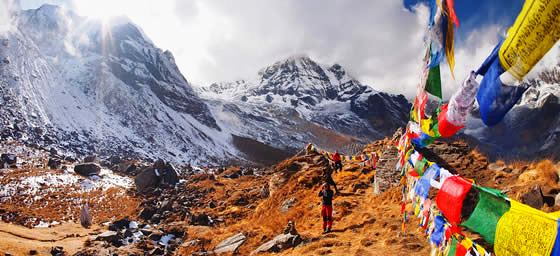 Also remember that packing
for trek mainly depends on the weather of the place where you will be trekking.
The list of trekking gear Nepal is a
bit long but with all essential items in it including sleeping bag, hiking
boots and socks, lightweight rubber closed sandals, long sleeve shirts,
comfortable under wears, windproof jackets (for cold mornings or nights), rain
jackets (if the weather calls for it), a hat and sunglasses to protect eyes
from the sun’s rising UV radiation, toothpaste and brush, soaps and toiletry
bag, first aid kit, wallet, watch and a trekking
map Nepal.
You can hire a guide if you
wish to experience a more intimate familiarity with the locals, and can even
hire a porter to pick your bag packs for you on the entire trek. Though hiring
a porter may sound bad, but I was assured that the locals earn real good income
through porter service, and since they are more accustomed and used to walking
on the terrain, it is not much difficult for them either.
As far as lodging services
go don’t expect a four star hotel on the way. The hotels on the way are rather
cheap and offer literally a room of plywood walls and a double mattress. Since
my trip was in November, the nights got really cold, however one decent advice trekking Nepal is to use your sleeping
bag and a blanket to top it off (provided by the hotel). This will make your night’s
sleep nothing less than bliss.
Also remember that the
higher you reach, the more expensive the food becomes, including the plastic
water bottles. Also another rule of thumb is to take breaks whenever it feels
like having one. You should trust your body and respect it when it gives out
distress signals.
For more expert advice trekking Nepal tips you
can also refer to the trekking in Nepal book,
which was very useful for me. It explains routes, requirements and how to live
the trek thoroughly, with all the sun rises and sun sets. Once you are done
with these things, Bon Voyage!

No comments:
Post a Comment